
Can Line Marking Be Done In The Rain?
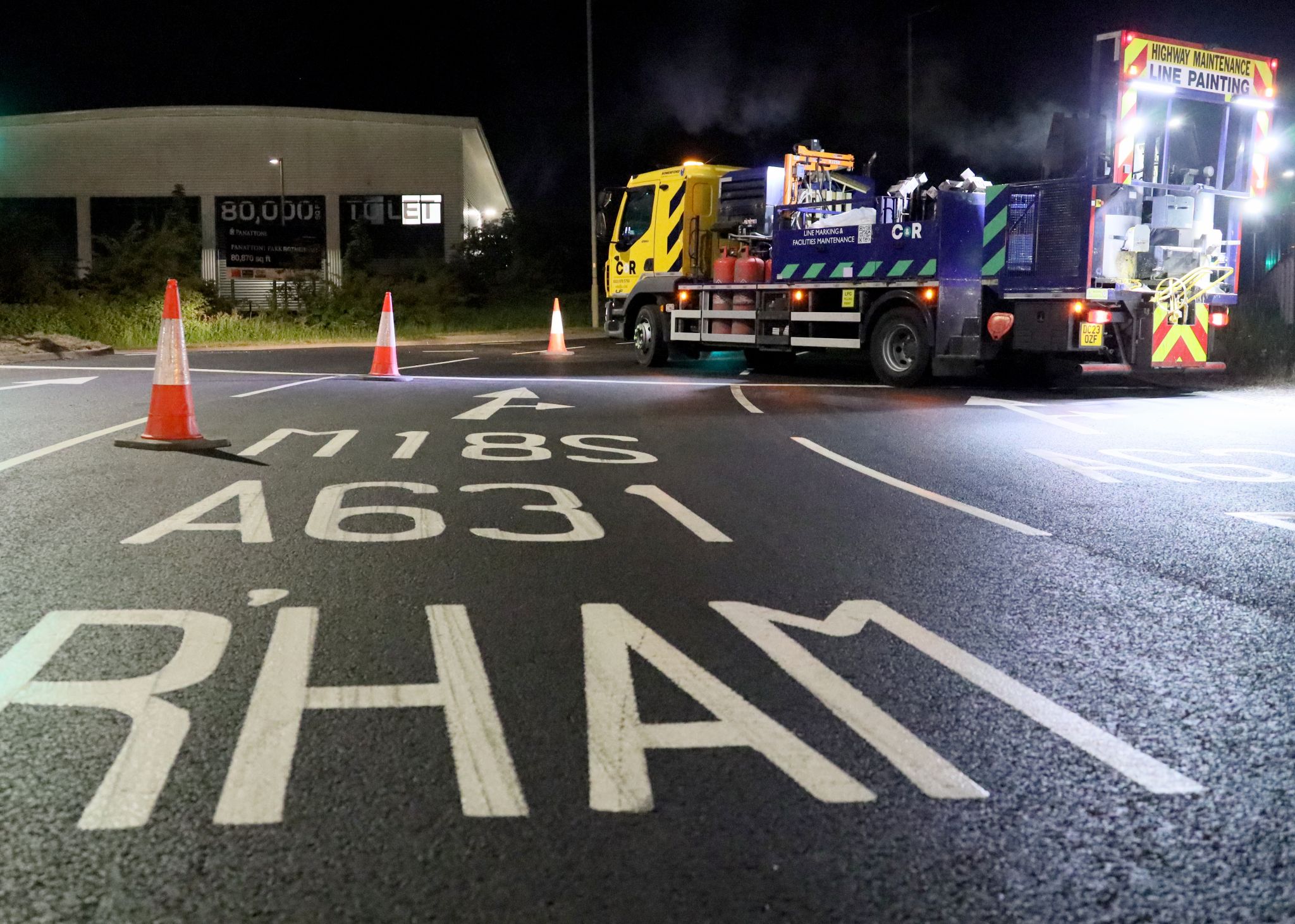
It’s one of the most common questions we’re asked when work is booked and the forecast changes:
Can line marking be done in the rain?
The short answer is sometimes — but often not in the way people expect. Weather plays a much bigger role in line marking quality and lifespan than many realise, and getting it wrong can undo the job before it’s even started.
Why rain is a problem for line marking.
Line marking materials rely on bonding properly to the surface beneath them. Rain, surface moisture and high humidity all interfere with that process.
If markings are applied to a wet or damp surface, several issues can occur:
-
Poor adhesion to the surface
-
Premature peeling or flaking
-
Reduced durability and faster wear
-
Inconsistent finish and visibility
Even if the paint appears to dry, moisture trapped beneath the coating can cause failure later on.
It’s not just about rain falling from the sky.
One of the biggest misconceptions is that if it’s not actively raining, line marking is fine to proceed.
In reality, surface moisture can remain long after rainfall stops. Shaded areas, poor drainage, low temperatures and high humidity can all prevent surfaces from drying properly.
This is why experienced contractors look at surface condition — not just the weather forecast.
Do some materials cope better than others.
Different line marking systems behave differently in marginal conditions.
Fast-curing systems such as MMA can tolerate a narrower window between preparation and application, but they still require dry, clean surfaces to perform correctly.
No professional-grade system is designed to be applied directly onto wet ground without compromising performance.
Why rushing work causes long-term problems.
Pressure to keep programmes moving often leads to the temptation to “just get it done”.
But applying line marking in unsuitable conditions usually results in:
-
Shortened lifespan
-
More frequent remarking
-
Higher long-term costs
-
Disruption returning sooner than expected
Waiting for the right conditions almost always delivers better value than rushing an application that won’t last.
How weather planning reduces disruption.
On busy or time-sensitive sites, weather planning is part of doing the job properly.
This may include:
-
Flexible scheduling
-
Phased works to target dry areas first
-
Using fast-curing systems when conditions allow
-
Out-of-hours or short-notice working windows
The aim is to protect both programme and performance.
How C&R manages line marking in unpredictable weather.
At C&R Ltd, we plan works around real conditions on site — not assumptions.
We assess surface moisture, drainage, temperature and exposure before applying any materials. If conditions aren’t right, we’ll advise delaying rather than delivering a finish that won’t last.
That approach protects the lifespan of the markings and avoids unnecessary rework.
Conclusion.
So, can line marking be done in the rain?
Occasionally — but only when surface conditions are right. Applying markings to wet or damp ground almost always leads to poor results.
If weather is a concern on your site, it’s worth discussing this early. The right planning and honest advice make the difference between line marking that lasts and line marking that needs redoing.
C&R Ltd can advise on timing, materials and planning to help line marking works succeed — whatever the forecast.
Why Choose C&R.
As one of the UK’s leading specialists in line marking, surface preparation, coatings, and cleaning, C&R delivers expert advice, professional results, and long-lasting performance nationwide.
Over 30 Years’ Experience
Trusted nationwide by major brands and local authorities.
Fully Accredited & Insured
Working to UK safety and environmental standards.
Complete Start-to-Finish Service
From design and preparation to marking and aftercare.
Nationwide Coverage
Responsive teams operating across England, Scotland, and Wales.