
How Do You Know When a Floor Needs Recoating?
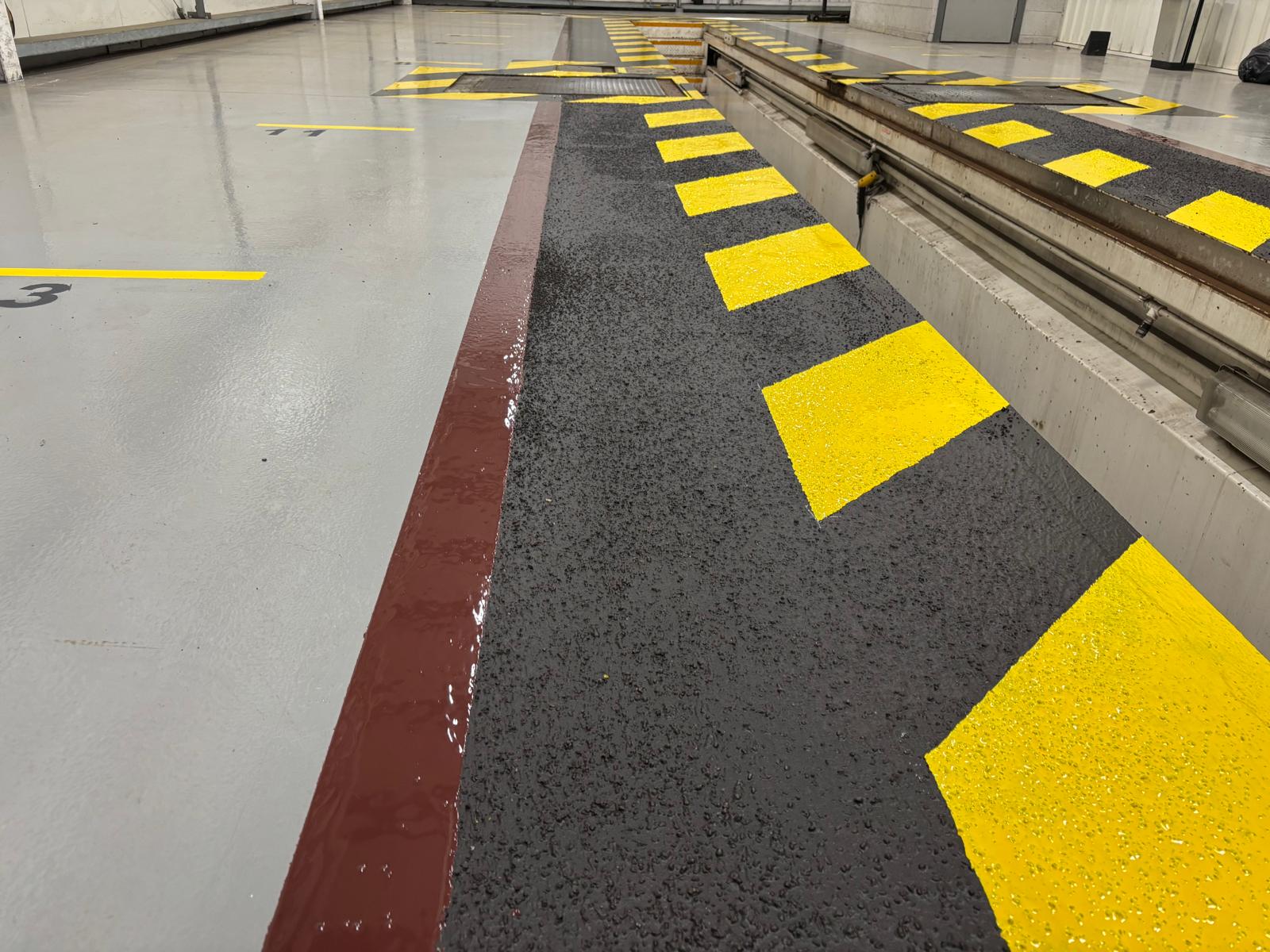
Floors in industrial and commercial environments are designed to work hard — but even the best coatings won’t last forever.
One of the most common questions we’re asked at C&R Ltd is:
👉 “How do we know when our floor needs recoating?”
Leaving a worn floor too long can lead to safety risks, compliance issues, and costly repairs. Knowing the early signs helps you act before problems escalate.
🧱 Why Floor Coatings Don’t Last Forever.
Floor coatings are exposed to constant wear from:
-
Forklift and vehicle traffic
-
Heavy footfall
-
Cleaning chemicals and spillages
-
Temperature changes
-
Abrasion from pallets and equipment
Over time, this wear gradually reduces performance — even if the floor still looks acceptable at first glance.
⚠️ Key Signs Your Floor Needs Recoating.
1. Loss of Slip Resistance
If a floor becomes noticeably smoother or slippery when wet, the anti-slip properties may have worn away.
This is a major safety concern, particularly in warehouses, loading bays, and production areas.
2. Visible Wear and Patchiness
Areas of heavy traffic often wear faster than others.
If you notice patchy finishes, exposed concrete, or thinning colour, the coating is no longer providing full protection.
3. Staining and Absorption
When coatings fail, concrete starts to absorb oils, water, and chemicals again.
Staining that won’t clean away is often a sign the protective layer has broken down.
4. Cracking or Peeling
Cracks, flaking, or lifting at the edges indicate adhesion failure — usually caused by age, impact damage, or surface movement.
At this stage, recoating becomes essential to prevent further deterioration of the substrate.
5. Faded or Unclear Safety Markings
Floor coatings often support:
-
Walkway demarcation
-
Vehicle routes
-
Hazard zones
If colours are fading or no longer clear, safety and compliance can be compromised — particularly under HSE guidance.
🛠️ How C&R Assesses Recoating Requirements.
At C&R, we don’t recommend unnecessary work.
Our specialists carry out site surveys to assess:
-
Coating condition
-
Traffic patterns
-
Slip risk
-
Surface integrity
-
Operational requirements
Where possible, we’ll recommend localised repairs or phased recoating to minimise disruption and control costs.
🧼 The Importance of Surface Preparation.
Recoating isn’t just about applying a new layer.
Correct preparation is essential and may include:
-
Shot blasting or grinding
-
Degreasing and deep cleaning
-
Removal of loose or failed coatings
-
Crack and joint repairs
-
Priming for adhesion
This ensures the new coating bonds correctly and performs as intended.
🏢 Environments Where Recoating Is Critical.
C&R regularly assesses and recoats floors in:
-
Warehouses and logistics centres
-
Manufacturing and engineering facilities
-
Retail service areas
-
Loading bays and plant rooms
-
Transport and public infrastructure
Each environment demands a tailored approach based on usage and safety requirements.
🏁 Conclusion.
Recoating at the right time protects your floor, improves safety, and avoids costly repairs later.
If your floor is showing signs of wear, reduced slip resistance, or fading safety zones, it’s time for a professional assessment.
👉 Contact C&R Ltd today to arrange a site survey or discuss recoating options for your facility.
Why Choose C&R.
As one of the UK’s leading specialists in line marking, surface preparation, coatings, and cleaning, C&R delivers expert advice, professional results, and long-lasting performance nationwide.
Over 30 Years’ Experience
Trusted nationwide by major brands and local authorities.
Fully Accredited & Insured
Working to UK safety and environmental standards.
Complete Start-to-Finish Service
From design and preparation to marking and aftercare.
Nationwide Coverage
Responsive teams operating across England, Scotland, and Wales.