
Why Do Road Markings Fade — and How Can You Prevent It?
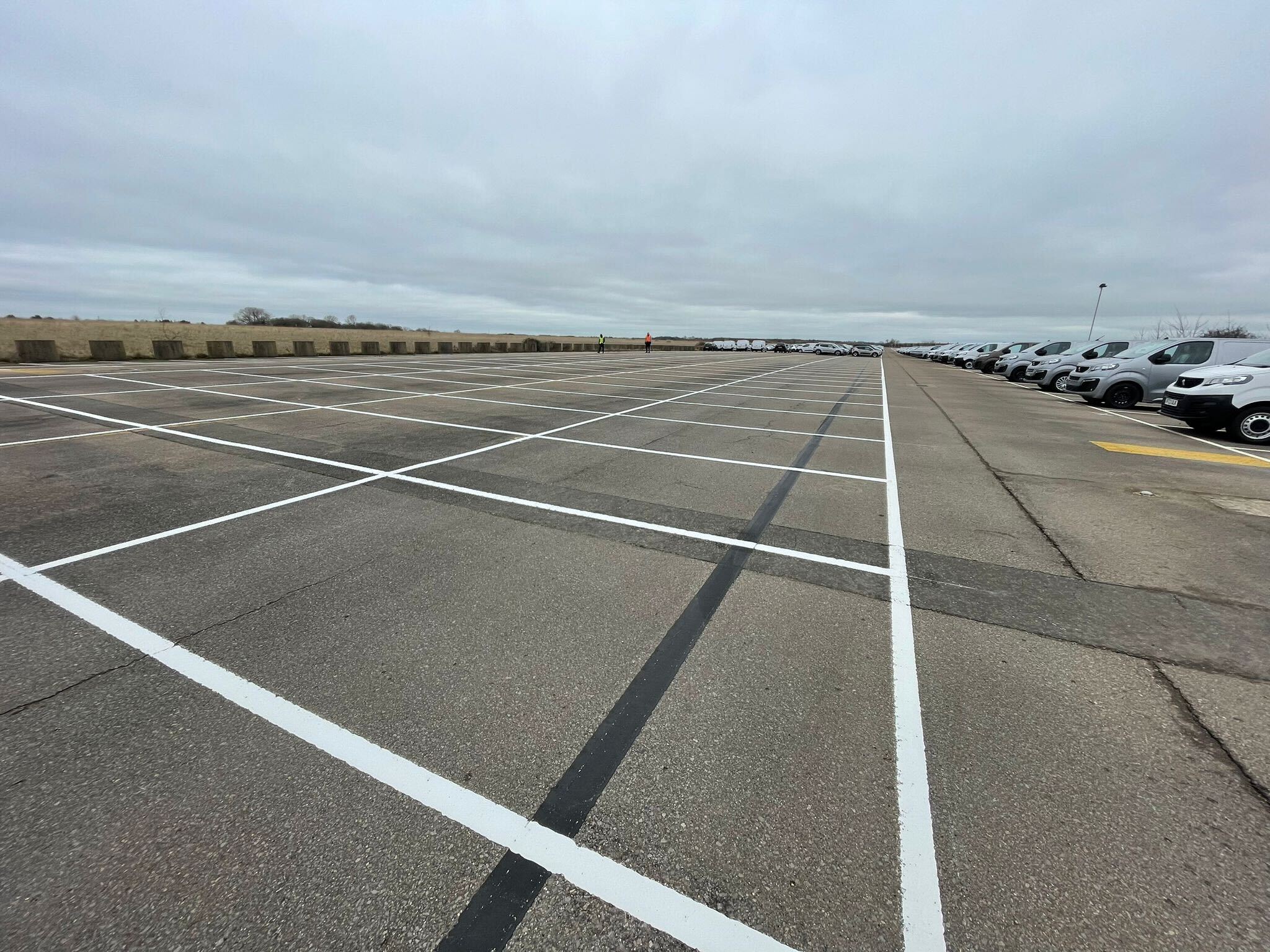
Whether it’s a retail park, private access road, logistics yard, or new development, clear road markings are essential for safety, navigation, and compliance.
But one of the most common issues site managers face is fading markings — sometimes sooner than expected.
A question we hear often is:
👉 “Why do road markings fade, and what can we do to make them last longer?”
At C&R Ltd, we install and maintain road markings nationwide, so we understand exactly why fading happens — and how to prevent it.
☀️ UV Exposure.
Sunlight is one of the biggest contributors to fading.
Over time, UV rays break down pigments in thermoplastic and road paints, reducing brightness and visibility.
Sites most affected:
-
Open car parks
-
South-facing roads
-
Exposed access routes
Using UV-resistant materials, such as MMA systems, significantly slows this process.
🚗 High Traffic Levels.
Constant vehicle movement wears down markings, especially in areas where vehicles:
-
Brake heavily
-
Turn sharply
-
Stop frequently
This is why markings at entrances, junctions, and crossings naturally fade faster.
C&R uses high-durability materials in these areas to extend lifespan.
🌧️ Weather and Water Ingress.
Rain, frost, and standing water can all affect adhesion and surface integrity.
When moisture gets beneath a marking, it can accelerate lifting or patchy wear.
A key solution is professional surface preparation, including:
-
Jet washing
-
Drying
-
Priming (where required)
A clean, dry surface means stronger adhesion and longer-lasting results.
🛠️ Poor Surface Condition.
Old, cracked, or contaminated surfaces reduce how well markings bond.
Oil, dirt, and debris create a barrier that leads to early fading or peeling.
C&R’s preparation methods — including shot blasting and mechanical cleaning — ensure every marking is applied to a stable, clean base.
Old, cracked, or contaminated surfaces reduce how well markings bond.
Oil, dirt, and debris create a barrier that leads to early fading or peeling.
C&R’s preparation methods — including shot blasting and mechanical cleaning — ensure every marking is applied to a stable, clean base.
🎨 Material Selection.
Not all road marking materials perform the same. Longevity depends on choosing the right system for the environment.
Thermoplastic
-
Long-lasting on highways and car parks
-
Good night-time reflectivity
MMA (Cold Plastic)
-
Outstanding durability
-
Ideal for crossings, roundabouts, and high-wear zones
Road Paint
-
Cost-effective
-
Shorter lifespan, best for private roads or temporary markings
C&R selects materials based on traffic type, surface quality, and compliance requirements.
🧼 Lack of Maintenance.
Regular cleaning keeps markings visible and prevents grime from causing premature dulling.
C&R’s Jet Washing division supports clients with routine car park and roadway cleaning, improving appearance and extending marking lifespan.
🏁 Conclusion.
Road markings naturally fade — but with the right materials, preparation, and maintenance plan, you can dramatically extend their lifespan and keep your site safe and compliant.
If your markings are starting to lose clarity, it may be time for a refresh.
👉 Speak to C&R Ltd today to arrange a site survey or maintenance plan.
Why Choose C&R.
As one of the UK’s leading specialists in line marking, surface preparation, coatings, and cleaning, C&R delivers expert advice, professional results, and long-lasting performance nationwide.
Over 30 Years’ Experience
Trusted nationwide by major brands and local authorities.
Fully Accredited & Insured
Working to UK safety and environmental standards.
Complete Start-to-Finish Service
From design and preparation to marking and aftercare.
Nationwide Coverage
Responsive teams operating across England, Scotland, and Wales.